Hardwood vs. Softwood: Choosing the Right Firewood for Canadian Winters
A comparison of heat output, burn time and smoke characteristics across species commonly available in Ontario, Quebec and British Columbia.
Practical information on selecting the right wood species, drying techniques, safe storage practices and chimney maintenance for Canadian homes and cottages.
Three interconnected areas that affect how efficiently and safely a wood-burning appliance operates.
Hardwoods such as maple, oak and birch produce more heat per cord and leave less residue than softwoods. Understanding the differences helps match fuel to the appliance and climate.
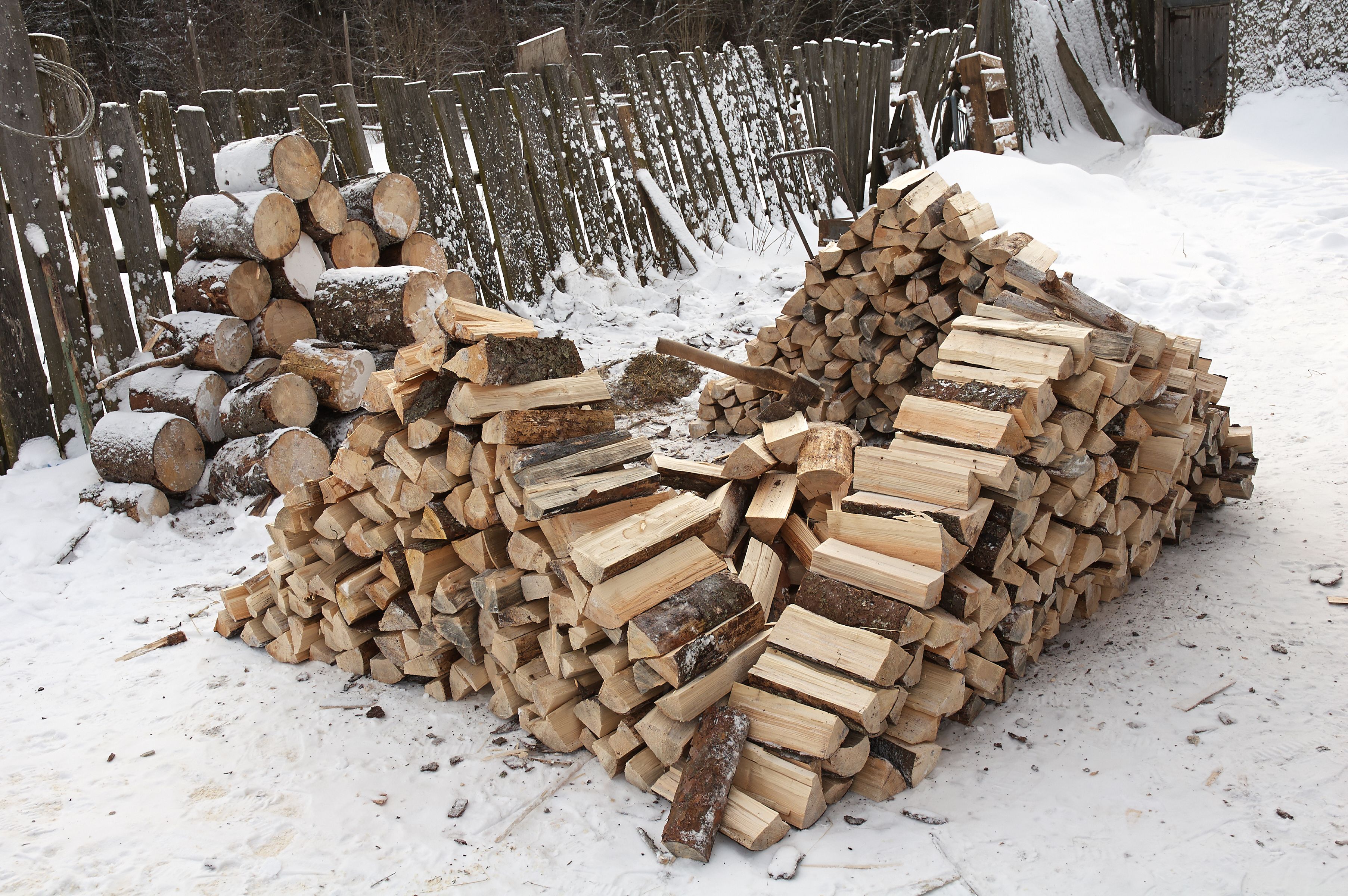
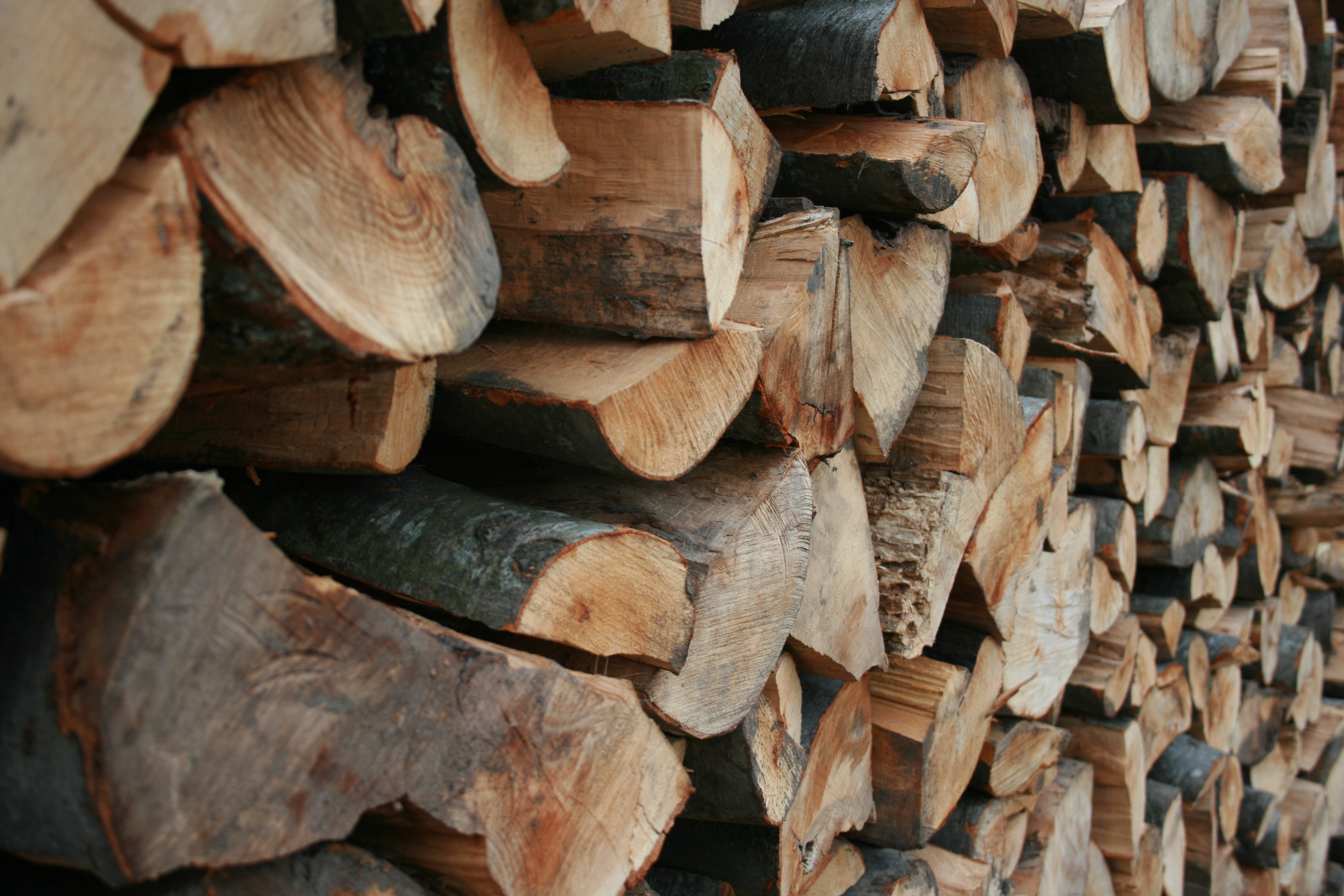
Properly split and stacked wood dried for 12 to 18 months reaches a moisture content that supports complete combustion. Covered storage with airflow on all sides prevents decay and mould.
Burning wet or low-density wood at low temperatures accelerates creosote accumulation inside flues. Annual chimney inspections and seasonal cleaning reduce the risk of chimney fires.
Each article examines one aspect of firewood management with reference to Canadian conditions and publicly available standards.
A comparison of heat output, burn time and smoke characteristics across species commonly available in Ontario, Quebec and British Columbia.

Splitting sizes, stacking methods, site selection and moisture targets that help achieve fuel-grade wood before the first cold month.
How creosote forms, the three stages of buildup, and what WETT-certified inspections involve under Canadian guidelines.
Wood intended for indoor burning in Canada should reach a moisture content of 20% or below before use. At that level, combustion is cleaner, heat output is higher and creosote accumulation is reduced. A basic wood moisture meter costing under $30 gives a reliable reading within seconds.
The Wood Energy Technology Transfer (WETT) program sets the inspection standard for wood-burning systems in Canada. A WETT-certified inspection covers the firebox, flue liner, connectors and clearances. Many home insurance policies require a current WETT certificate for any property with a wood-burning appliance.
Freshly cut wood — referred to as green wood — contains 50–60% moisture by weight. In a well-ventilated outdoor stack, hardwoods typically require 12 to 18 months to dry below 20%. Softwoods may reach that threshold in 6 to 12 months under the same conditions.
Stacks placed directly against the house foundation provide a path for insects and moisture into the structure. A minimum clearance of 60 cm from any building exterior is a practical starting point. Covering only the top of a stack while leaving sides open allows air circulation and prevents the trap of condensation under a sealed cover.
For factual corrections, source suggestions or general questions about the content on this site, use the form opposite. Submissions are reviewed periodically.
This site does not offer personalised advice on specific appliances or installations. For those matters, consult a WETT-certified technician or a licensed HVAC professional.